Ora-pro-nóbis
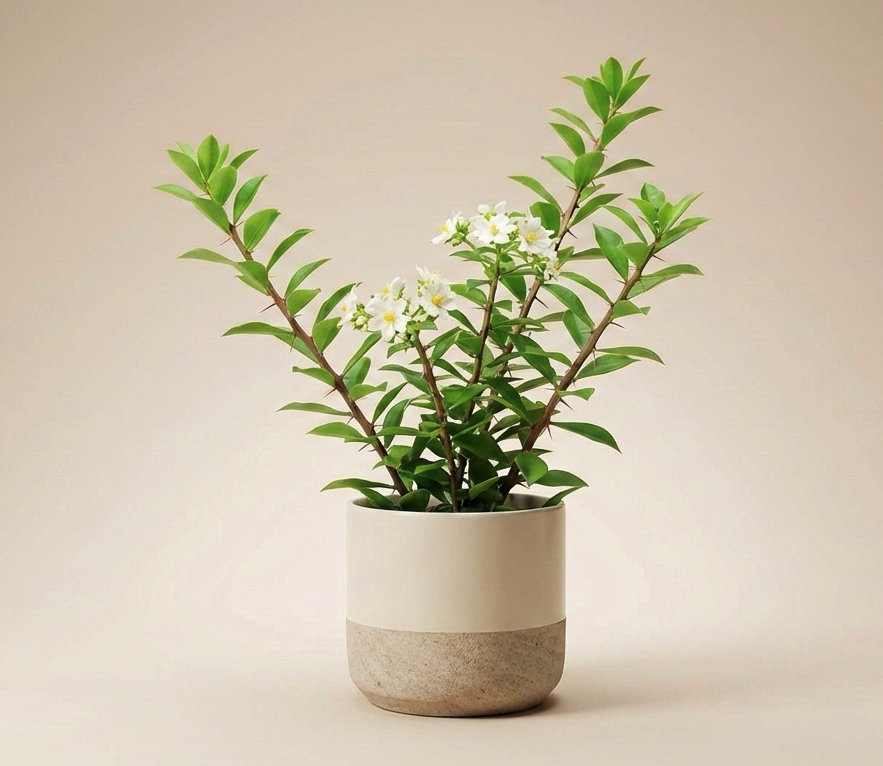
Scientific name: Pereskia aculeata
☘️ Toxicity: Non-toxic, but watch out for thorns
☀️ Ideal light: Full sun to partial shade
💧 Watering: Moderate; water when the top 3–4 cm of soil are dry
Ora-pro-nóbis is a hardy climbing cactus known as "poor man's meat" due to its exceptionally high protein content in the leaves (about 25% on a dry basis). With thorny stems and bright green succulent leaves, it's cultivated both as a living fence and for culinary use. While not toxic, its sharp thorns require caution in homes with cats.
Essential care
- Light: Adapts from full sun to partial shade, but produces more foliage with 4–6 hours of direct sunlight.
- Water: Drought-tolerant once established. Water regularly during active growth, reducing in winter.
- Substrate: Well-draining; tolerates poor soils but grows better in soil enriched with organic compost.
- Environment: Hardy, tolerates temperatures from 5 to 35 °C (41–95 °F). Thrives in warm climates.
- Fertilization: Monthly during spring and summer with organic fertilizer (aged manure, bokashi) or NPK 10-10-10.
- Support: Needs a trellis, stake, or fence to climb and grow vertically.
Pests and how to handle them
- Scale insects: Remove manually or with a brush dipped in 70% alcohol.
- Aphids: Strong jet of water and application of mild soap solution.
- Caterpillars: Hand-pick or use Bacillus thuringiensis (biological insecticide).
- Fungi: Rare; improve drainage and avoid overwatering to prevent issues.
Propagation
- Cuttings: Cut 20–30 cm stems, let the base dry for 1–2 days, and plant in moist substrate. Roots in 3–4 weeks.
- Seeds: Less common; sow in light substrate maintaining moisture until germination (10–20 days).
Cat safety
- Classification: Non-toxic to cats (leaves can be ingested without causing poisoning).
- Thorn warning: Stems have sharp thorns that can injure paws, nose, or mouth. Keep out of reach of curious pets.
- Best practice: Plant in inaccessible areas or use supports that keep the plant elevated or protected.
💡 The name "ora-pro-nóbis" comes from Latin meaning "pray for us" — people would harvest the plant from church yards during mass when the priest recited this part of the litany.
Frequently asked questions
- How to consume the leaves? Sautéed, in omelets, fritters, salads, or as filling. Wash thoroughly before cooking.
- Does it grow fast? Yes, can grow 2–3 meters (6–10 feet) per year under ideal conditions.
- Does it need pruning? Yes, to control growth and stimulate lateral branching. Prune after harvest or at the end of winter.
- Does it bloom? Yes, produces small white or pink fragrant flowers, usually in summer.
Quick checklist
- ☀️ Full sun or partial shade
- 🪴 Well-draining soil
- 💧 Moderate watering (drought-tolerant)
- 🌿 Provide support/trellis
- ⚠️ Watch out for thorns (physical risk for cats)